February 4, 2023
HOW IS MOTOR POWER DETERMINED FOR CENTRIFUGAL PUMPS? The motor size for centrifugal pumps is selected according to the shaft power value of the pump. There are internationally accepted and used ISO standards regarding pump shaft power values and the minimum motor sizes required. Apart from these standards, the most common method used when selecting motor power is to select a motor capable of providing the required power all the way to the end of the pump's shaft power curve. …
February 4, 2023
HOW TO SELECT A CENTRIFUGAL PUMP? Basically, three pieces of information are needed to select a centrifugal pump. Pump flow rate Pump discharge head Type of fluid to be pumped By bringing together the data above, a pump capable of performing the required duty in the most efficient way is selected. Today, these selections are made using selection software. Which of the alternatives offered by the selection software will be most suitable for the field conditions is left to the …
February 4, 2023
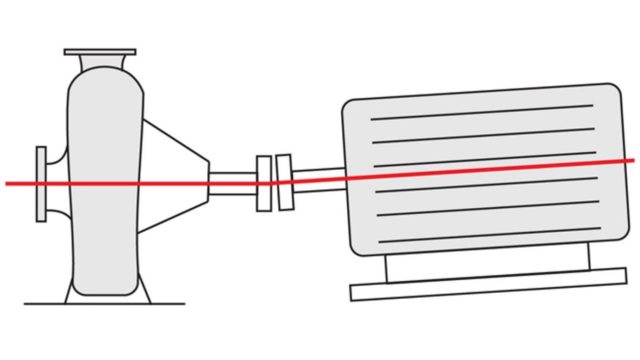
Coupling Adjustment and Correct Alignment in Centrifugal Pumps KSB and other manufacturers mostly deliver the pump mounted on a baseplate, with the electric motor connection already made via a coupling. However, the vibrations that occur during transport and installation of the pump in its final position disturb the alignment of this equipment. For this reason, the coupling must be adjusted again once the pump installation and grouting have been completed in accordance with t…
February 4, 2023
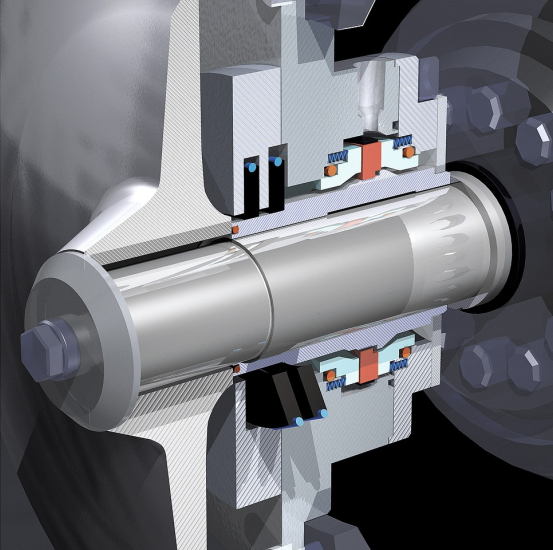
What is a Shaft Seal? As is well known, the shaft seal is one of the main components of centrifugal pumps. Except for magnetically coupled (sealless) pumps, its use is mandatory in all centrifugal pumps. In this article, we will try to share with you the types of shaft seals and their working mechanics. The basic function of the shaft seal in a centrifugal pump is to provide sealing between the wet and dry zones of the pump. The wet zone is the pump casing side, where the flu…
February 4, 2023
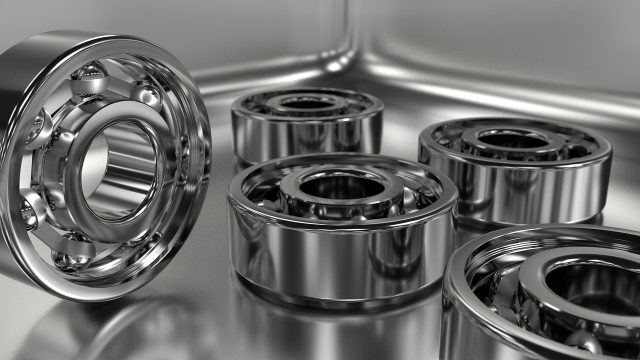
The Function and Lubrication of Bearings in Centrifugal Pumps Due to their design, centrifugal pumps are subjected to radial and axial loads throughout their operation. These loads create continuous stress on the components that make up the pump and cause damage to the materials. At this point, bearings are used both to balance these loads occurring in the pump and to support the rotating equipment. Bearings are therefore one of the most important components making up the pum…
February 4, 2023

SUCTION PIPING IN CENTRIFUGAL PUMPS Failures occurring in pumps represent a direct cost element for many facilities, but depending on the role the pump plays in the plant, any failure that could cause a production stoppage results in an even larger secondary financial loss. Because these failures occur in the pump, the primary focus always appears to be the pump itself. However, in many cases the root cause of the problem is the pump's piping arrangement. Today we have writte…
February 4, 2023
Standards are an extremely important part of the industrial and commercial environment. By specifying products that comply with standards, companies can be sure that the products they purchase will meet important performance and safety requirements, even if they come from companies they have never worked with before. Standards also guarantee that products manufactured by different suppliers will share the same basic characteristics. Given how useful standards are, it is not s…
October 2, 2020
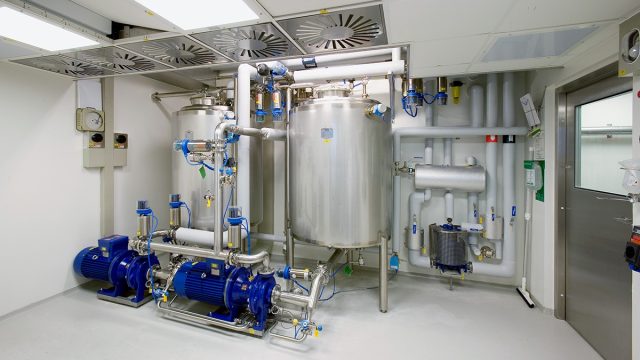
(CIP) that is, Clean-in-Place, is a method of cleaning pipes, tanks, process equipment, filters and all related connecting parts in place, without dismantling them. Until the 1950s, closed systems were dismantled and cleaned by hand. The emergence of CIP provided a major advantage for industries that require frequent internal cleaning, such as the food and pharmaceutical sectors. The use of CIP has become mandatory in many fields, particularly carbonated beverages, dairy prod…